
This article explains practical approaches for a single parent working through the rental housing process. It focuses on common tasks such as locating suitable listings, assessing lease terms, estimating ongoing costs, and identifying public or nonprofit resources that may assist with housing stability. The description is informational: it outlines typical challenges single parents face in rental markets and the types of strategies that may be used to address them without making guarantees or prescribing a single path.
The material that follows breaks the topic into concrete components: search methods, budgeting and expense management, documentation and lease considerations, neighborhood factors, and longer-term planning for housing stability. Each section aims to describe what is often involved, what trade-offs may occur, and which practical options are typically available to consider. The tone remains neutral and factual, noting that outcomes can vary by personal circumstances and local market conditions.
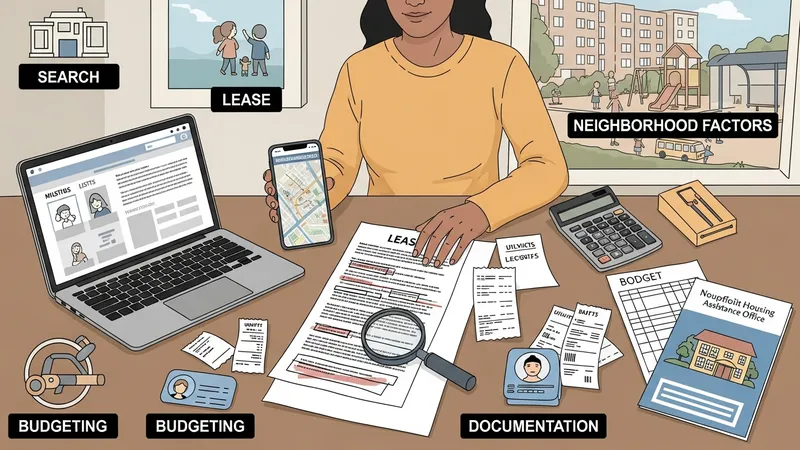
Shared living arrangements can provide immediate reduction in housing expense obligations by dividing rent and utilities among several adults. Such arrangements typically require clear communication about chores, guest policies, and bill payments, and may benefit from a written roommate agreement. Potential considerations include compatibility with children’s routines, the impact on privacy, and how lease liability may be structured if multiple adults are listed on a lease. Assessing these factors can help determine whether shared housing is a practical short- or medium-term option.
Rental assistance from public or nonprofit sources often follows set eligibility rules that consider household size and income relative to local thresholds. Programs may operate with waiting lists and require specific documentation such as proof of income, identification, and family composition. While assistance can reduce rent burden, availability often depends on funding levels and local program capacity. Understanding typical application steps and gathering required documents in advance can make program interactions more efficient when seeking this type of support.
Financial planning tools may include simple budgeting templates, rent-to-income ratio calculators, and utility-estimate worksheets that help project monthly obligations. Many households aim to keep housing costs within a certain portion of monthly income, though specific targets can vary by circumstance and local cost of living. These tools can also account for non-rent expenses like transportation, childcare, and incidental home supplies. Using conservative estimates for variable costs often provides a clearer sense of what housing options are realistic.
Lease and documentation considerations frequently influence whether a particular rental is accessible. Landlords may request proof of income, references, credit information, a security deposit, and tenancy history. For single parents without extensive rental history or with variable income, alternatives such as a cosigner, reference letters, or proof of consistent alternative income streams may be relevant. It is useful to review lease clauses on repairs, guest policies, and termination to understand obligations and potential conflicts ahead of signing.
In summary, practical approaches to renting while parenting alone typically combine several elements: evaluating cost-sharing options, exploring assistance programs, using budgeting tools, and preparing required documentation. Each component may reduce specific barriers but will depend on local conditions and individual circumstances. The next sections examine these practical components and considerations in more detail.
Budgeting for rental housing typically starts with estimating gross and net household income and allocating categories for rent, utilities, childcare, food, transportation, and savings. A commonly used guideline suggests keeping housing costs within a manageable share of monthly income, though the appropriate share can vary with local cost-of-living factors. Many households create a monthly cash-flow worksheet to track regular bills and variable items, which may reveal seasonal pressures such as increased heating or school-related expenses. These worksheets commonly help prioritize recurring obligations and identify where modest adjustments may be feasible.

Utilities and recurring fees can add substantially to the monthly cost of a rental. Typical line items include electricity, water, gas, trash removal, internet, and any building-specific fees. Some rentals include certain utilities in the rent, while others bill separately; understanding which scenario applies is important for accurate budgeting. Families often review recent utility bills for comparable units, or ask landlords for average monthly costs, to form realistic projections rather than relying on single-month snapshots.
Emergency savings and contingency planning are often relevant considerations for single parents in rental arrangements. Building a small buffer that covers a few months of essential expenses can reduce vulnerability to unexpected income interruptions or sudden household costs. Practical steps may include setting modest, recurring transfers to a dedicated savings account and reviewing eligibility for short-term hardship programs maintained by community organizations. These measures do not guarantee outcomes but can reduce exposure to immediate housing instability.
When comparing rental options, total cost of occupancy is a useful frame: combine rent with estimated utility costs, commuting expenses, childcare access and potential outlays for basic furnishings. A rental that appears less expensive by base rent alone can become costlier once transportation or childcare needs are factored in. Considering typical weekly schedules and local service access helps in making clearer comparisons among options and can influence which trade-offs may be acceptable for a given household.
Searching for rental listings often blends online listing platforms, local community boards, and word-of-mouth contacts. Many people use multiple channels concurrently to increase visibility of available units. When preparing applications, typical documentation requested by landlords can include proof of income, identification, rental references, and consent for background or credit checks. Gathering these items in advance—such as pay stubs, written references, and a simple cover letter explaining household composition—may streamline the process and reduce time between identifying a suitable unit and securing it.

Credit and background checks are commonly part of application screening, and outcomes may influence landlord decisions. For applicants with limited credit history, alternative evidence of financial reliability—such as on-time bill payment records, bank statements showing consistent deposits, or letters from employers—may be useful to present. Some landlords accept a larger security deposit or a cosigner as a conditional path to tenancy when formal credit criteria are not fully met, though such arrangements create additional obligations for the cosigner and are best considered cautiously.
References from prior landlords, employers, or community professionals often serve as practical attestations of reliability. These references typically address punctuality of payments, adherence to lease terms, and general conduct. For individuals without a traditional rental history, character or employer references can be informative. Preparing concise and factual references in writing ahead of time can reduce delays during high-demand rental cycles when landlords may move quickly between prospective applicants.
Application timing and responsiveness can matter in competitive markets. Responding quickly with complete documentation tends to be more efficient than repeated partial submissions, and clear communication about move-in timelines and flexibility can help align expectations. These are practical considerations rather than guarantees of selection; availability and landlord preferences vary by market and over time, so applicants often benefit from monitoring multiple leads concurrently.
Neighborhood selection typically balances affordability, proximity to work or school, public transportation access, and availability of services such as healthcare and childcare. Assessing these factors may involve reviewing local transit maps, school information from public sources, and walkability scores where available. Safety perceptions and objective measures like local crime statistics can inform choices, though such data often requires contextual interpretation; consulting multiple sources and visiting neighborhoods at different times can provide a more complete perspective.
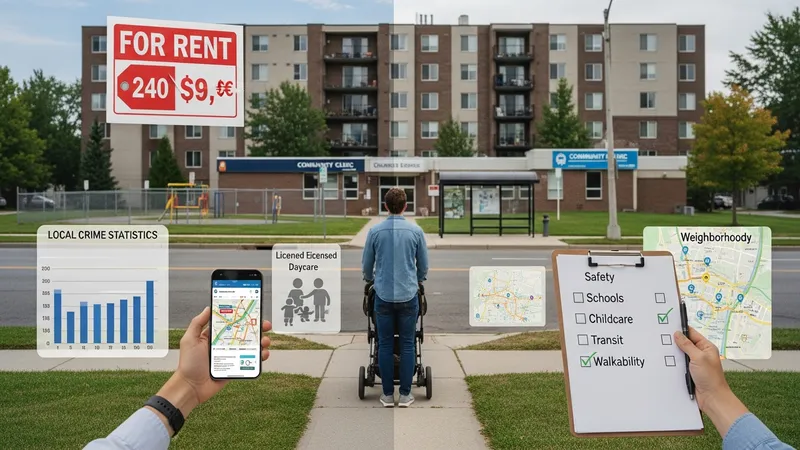
Access to childcare and schools is frequently a decisive factor for single parents. Typical considerations include commute times, enrollment capacity, and whether after-school care is available near home or near a workplace. School district resources and program offerings may be found through official district websites or local education authorities. Families often weigh the convenience of proximity against rental cost differences to determine how these trade-offs impact daily routines and total household expense.
Transportation needs can significantly influence housing affordability and daily logistics. A unit that reduces commuting time may lower childcare costs or allow for more flexible work arrangements. Conversely, rentals in lower-rent areas with limited transit coverage can increase reliance on private vehicles and associated costs. Estimating typical commute times and available transit options is a practical step when comparing neighborhoods in terms of overall livability and cost.
Local services and community supports, such as food banks, health clinics, and family resource centers, may be relevant for households managing tight budgets. Mapping these resources in relation to potential housing can inform choices about daily accessibility. While such services are not a substitute for secure housing, they commonly form part of the ecosystem that supports household stability and can reduce logistical friction in day-to-day life.
Understanding lease terms often begins with reviewing clauses on duration, rent escalation, repairs, subletting, and termination. Standard leases may range from month-to-month arrangements to fixed-term agreements; each has trade-offs in flexibility and predictability. Tenants commonly examine notice periods, conditions for security deposit returns, and responsibilities for routine maintenance. Clarifying these details in writing can reduce misunderstandings during tenancy and help plan for likely future expenses related to upkeep or minor repairs.
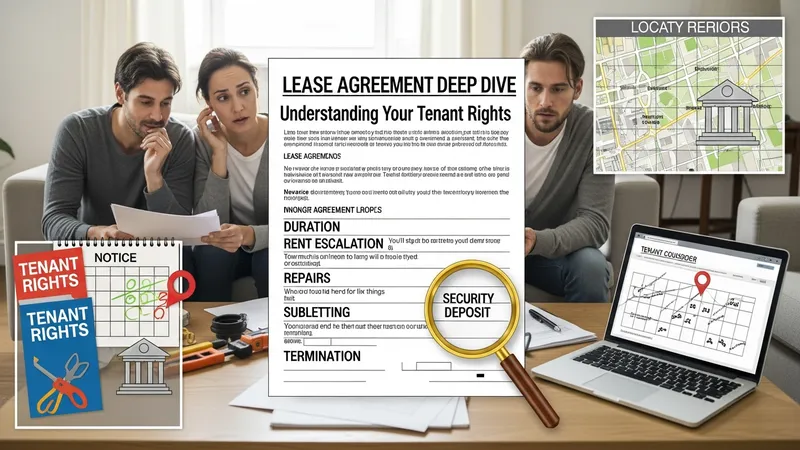
Tenant rights and local regulations vary by jurisdiction but may include protections related to eviction processes, habitability standards, and anti-discrimination rules. Familiarity with local tenancy laws or access to tenant counseling services can provide clarity on common questions, such as what constitutes acceptable notice for entry, standards for repairs, and the process for deposit disputes. These are informational considerations intended to help households understand the legal context rather than to substitute for professional legal advice.
Longer-term housing planning often addresses the question of stability versus flexibility. Some households prefer shorter leases to retain mobility for job or family changes, while others prioritize multi-year stability to provide consistency for children. Planning may involve setting financial goals—such as building a larger emergency cushion, saving for moving costs, or exploring eligibility for longer-term housing programs. These elements typically interact with employment plans, childcare needs, and community ties when shaping longer-term decisions.
Reviewing renewal options and exit conditions is a practical part of planning. Tenants often note timelines for lease renewal notices, potential rent increases, and any procedural steps required to terminate a lease without penalty. Anticipating upcoming changes—such as school year transitions or employment shifts—can make lease timing an important factor in maintaining continuity for children. Understanding typical timelines and contractual obligations can reduce disruption when changes are needed.